Key takeaways
- Many Thai beauty traditions use herbs grown at home: tamarind, turmeric, butterfly pea, lemongrass.
- Most Thai botanicals shine in body care, hair care and scent rather than strong facial actives.
- Fragrant herbs can irritate sensitive skin — patch-test, especially on the face.
- Thai herbal products make distinctive gifts that people actually use.
Thai beauty has deep roots. Generations of Thai families have used what grows in the garden and the kitchen for bathing, hair and skin — and many of those ingredients still appear in Thai spa and beauty products today. Here are the ones you're most likely to see on labels around Chatuchak, what they're traditionally used for, and how to choose well.
1. Tamarind (makham)
Tamarind pulp naturally contains fruit acids, so it's been used for generations in scrubs and masks for smoother-looking skin. Today it's a classic in Thai body scrubs, often mixed with salt or honey. Use it on the body once or twice a week, and wear sunscreen afterwards — fruit acids can increase sun sensitivity.
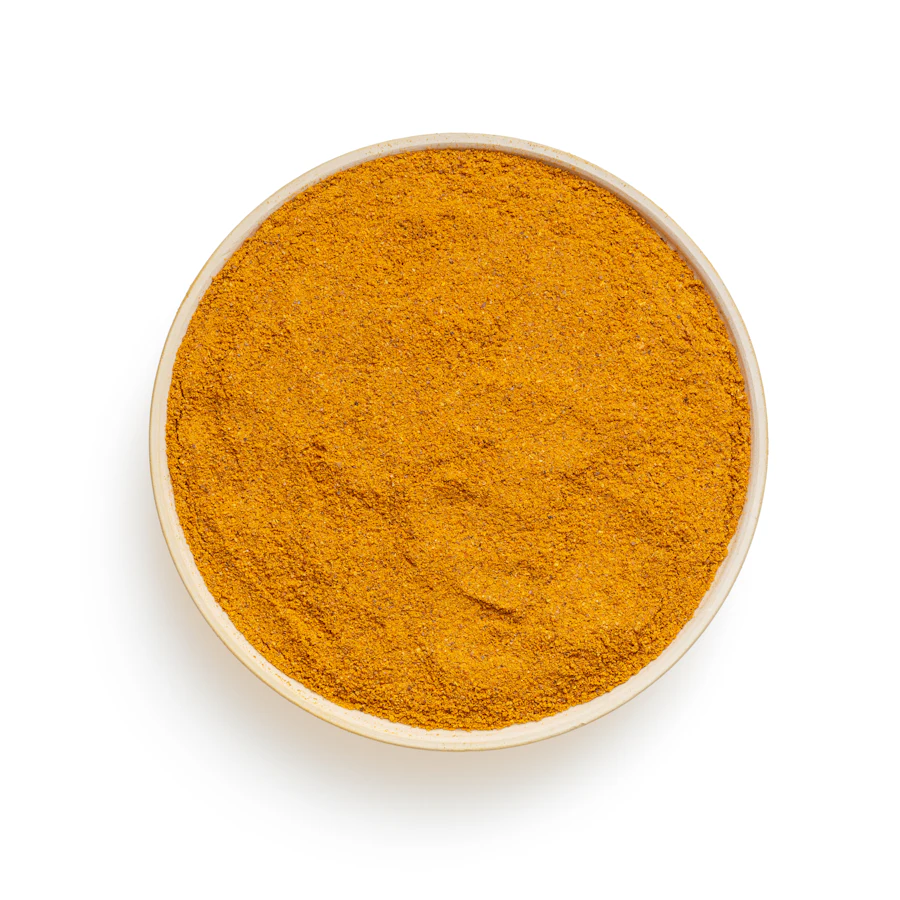
2. Turmeric (khamin chan)
Turmeric is a golden root used in beauty rituals across Southeast and South Asia. Its main compound, curcumin, is an antioxidant. You'll find it in Thai soaps, scrubs and masks. A practical warning: turmeric can temporarily stain skin, nails and towels yellow.
3. Butterfly pea (anchan)
The vivid blue butterfly pea flower is everywhere in Thailand — in drinks, desserts and hair care. It's traditionally used in Thai hair rinses, and it remains a favourite in herbal shampoos and conditioners. It's also rich in anthocyanins, the same family of pigments found in blueberries.
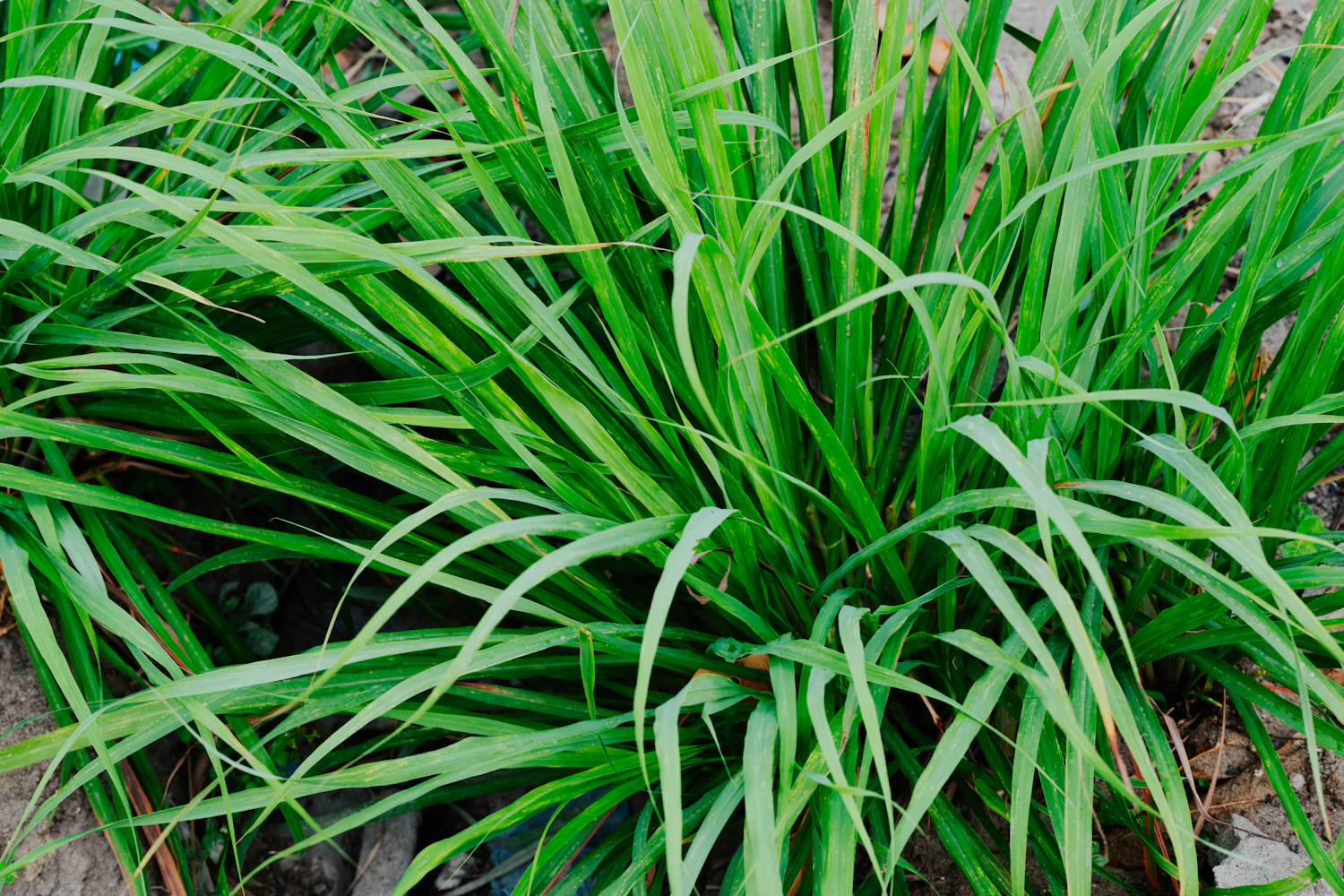
4. Lemongrass (takrai)
Fresh, zesty lemongrass is the signature scent of Thai spas. In beauty products it's mostly there for fragrance, in body washes, scrubs, soaps and room sprays. Like many essential oils it can irritate sensitive skin, so keep it to the body and patch-test.
5. Jasmine (mali)
Jasmine is woven into Thai culture — it's the flower of Thai Mother's Day and of countless temple garlands. In beauty it's mainly a scent: body mists, lotions and home fragrance with a soft, sweet floral note.
6. Kaffir lime (makrut)
The bumpy, fragrant kaffir lime has a long tradition in Thai hair care, where it's used for its fresh scent and clean feeling on the scalp. It appears in herbal shampoos, often alongside butterfly pea.
7. Aloe vera
Not uniquely Thai, but an everyday essential in a tropical country. Aloe gel soothes skin that's had too much sun, and Thai after-sun products often feature it heavily. Keep a tub in the fridge.
8. Rice
Thailand is one of the world's great rice-growing nations, and rice — as rice water, rice bran or rice extract — shows up in Thai soaps, scrubs and skincare. It's gentle and hydrating, and lovely for a soft, even look. Read more about rice in skincare.
The Thai herbal compress
Many visitors meet Thai herbs through a herbal compress (luk pra kob) at a spa: a cotton bundle filled with herbs like lemongrass, turmeric, ginger-family roots and kaffir lime, steamed and pressed onto the body during massage. It's a beautiful example of how these ingredients have traditionally been used together.
How to choose Thai herbal products
- Read the label. Cosmetics sold legally in Thailand should have a Thai-language label with the manufacturer's or importer's details and a Thai FDA notification number.
- Body first, face carefully. Many herbal products are designed for the body. For the face, choose gentler, fragrance-free formulas.
- Patch-test. Fragrant botanicals are common irritants for sensitive skin.
- Think about travel. Solid soaps and sealed jars pack more easily than big bottles.
Explore our Thai beauty collection, or read our guide to beauty gifts from Bangkok for ideas to take home.
Shop this guide
This guide is general information, not medical advice. Patch-test new products, and see a doctor or dermatologist about persistent skin problems.