Skip to content
Novolle Beauty

24 ingredients

Skincare ingredients, explained in plain English

What the names on the back of the bottle actually do, who they suit, how to use them — and when to be careful. From niacinamide and centella to Thai tamarind and butterfly pea.
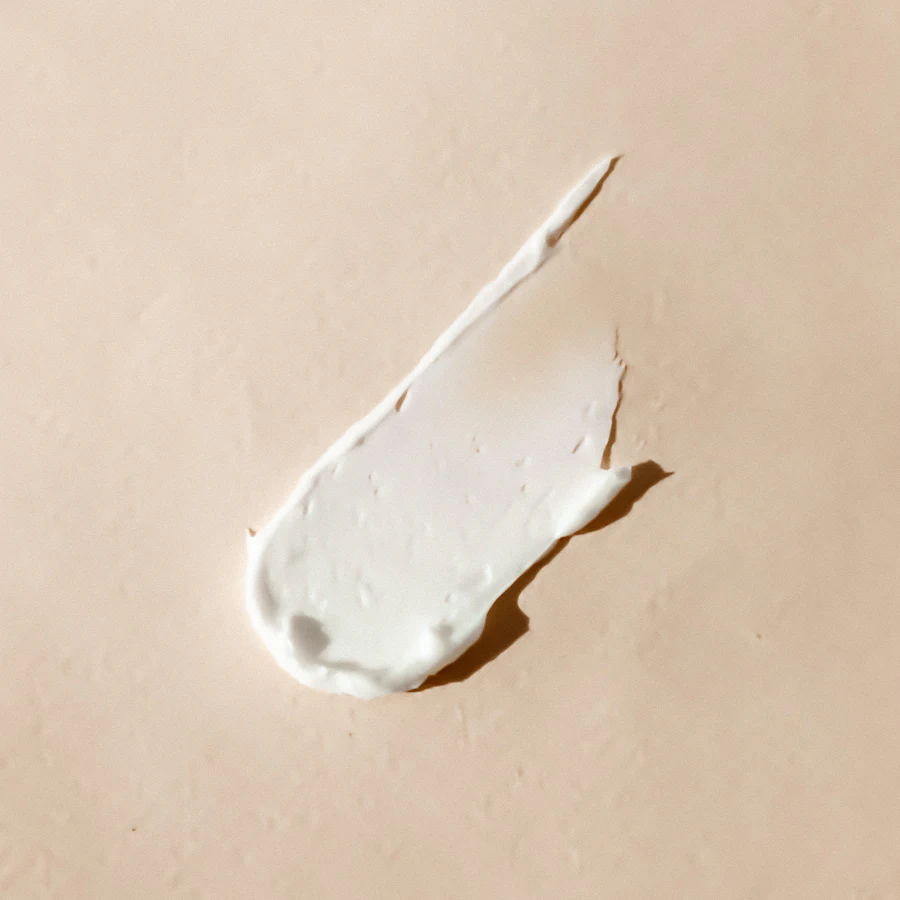
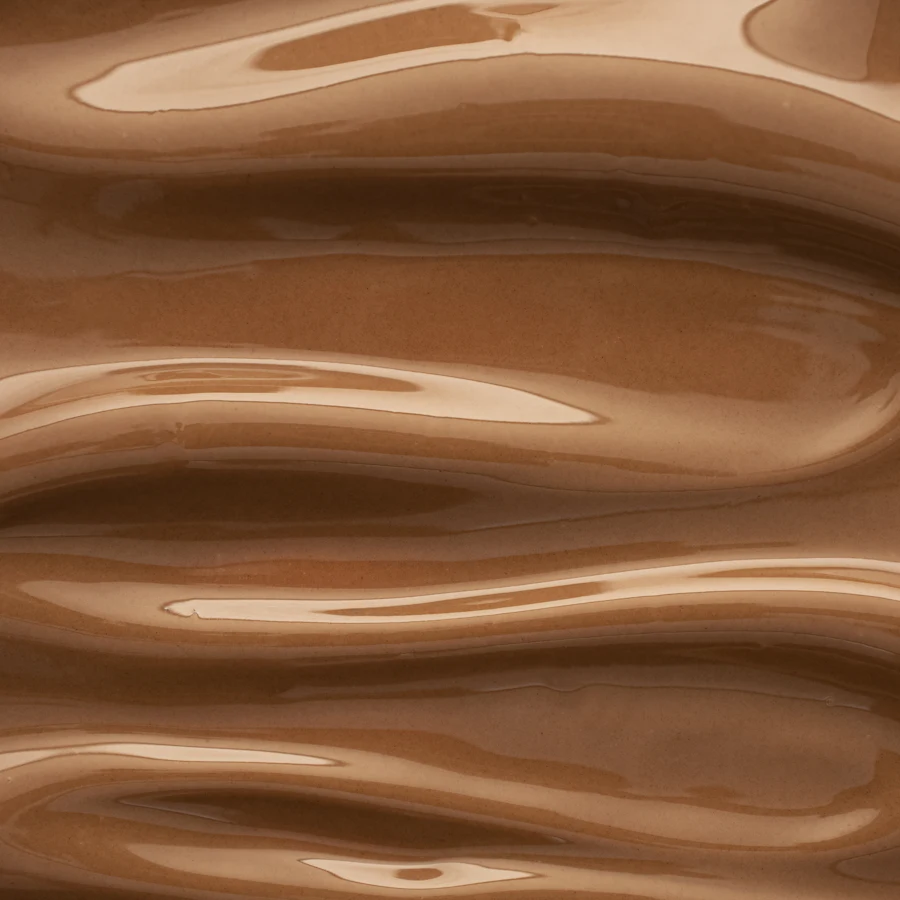
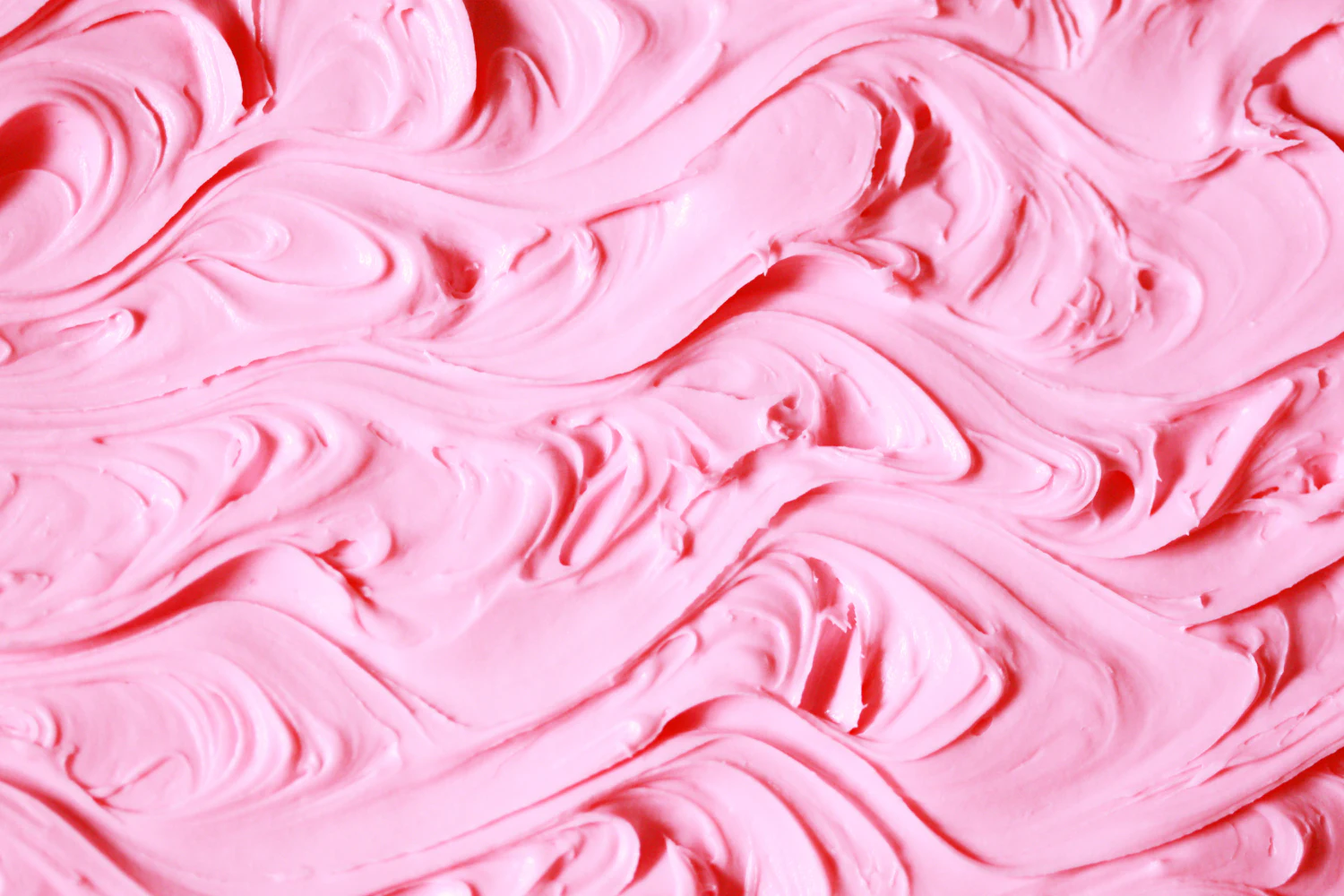
Smears of cream and gel textures side by side

Hydrators

Pull water into the skin so it looks and feels plumper.

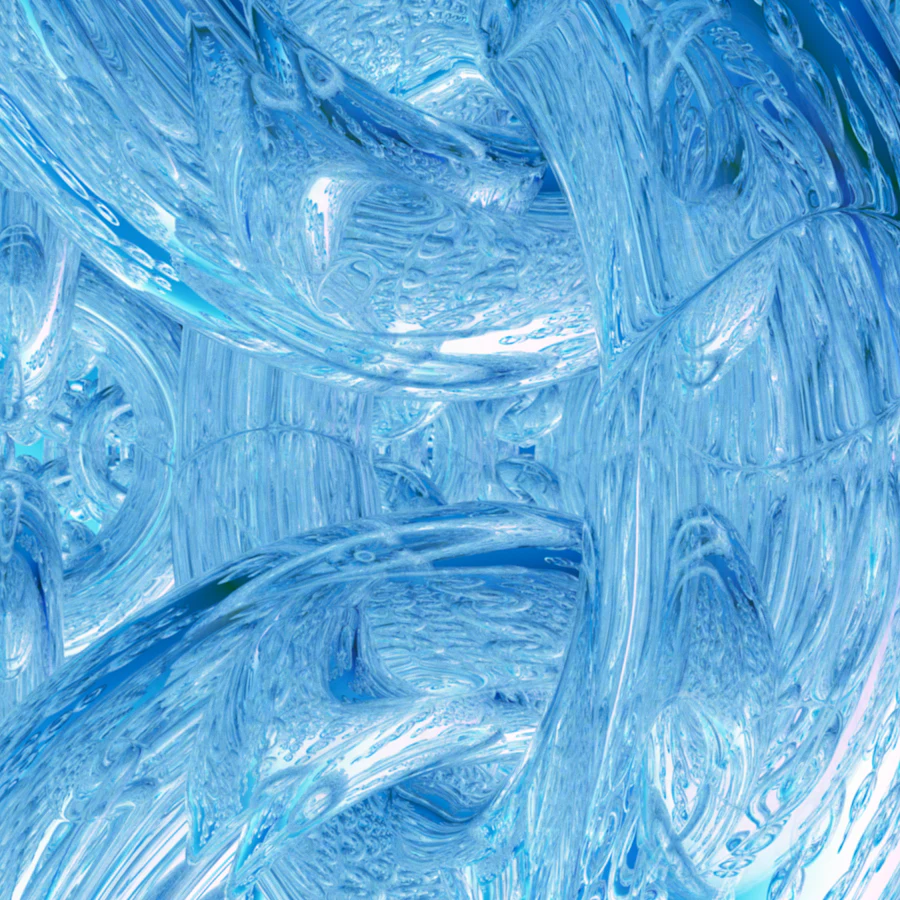
Clear blue hydrating gel texture

Hyaluronic acid

Also called: Sodium hyaluronate

A water magnet that hydrates without any heaviness.

Hyaluronic acid is a humectant: it attracts and holds water in the upper layers of the skin, so skin looks plumper and feels more comfortable. It's naturally found in the body, and different molecule sizes are used in skincare.

Good for
Dehydrated skinOily skin that feels tightAir-con dryness
Found in
Toners, essences, serums, sheet masks, gel-creams
How to use
Apply to damp skin, then seal with a moisturiser. In very dry air-con, a humectant on its own can leave skin feeling tight — the moisturiser on top matters.
Barrier & soothing

Calm redness and help the skin hold on to moisture.

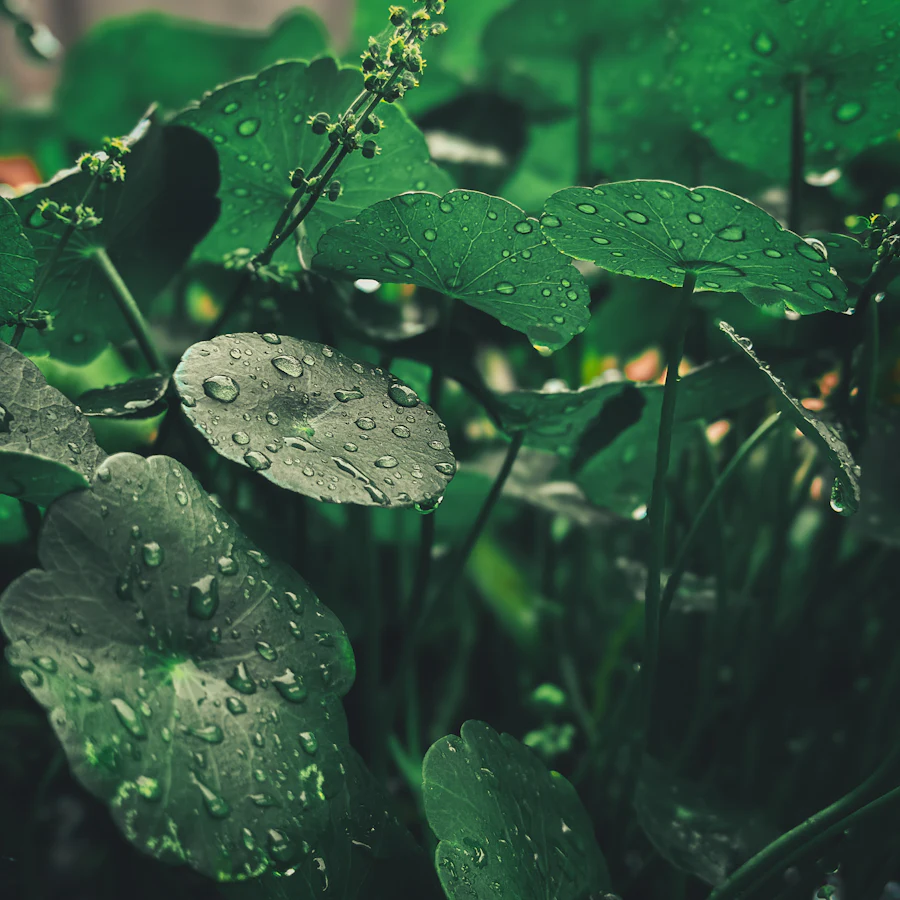
Round green centella leaves covered in raindrops

Centella asiatica

Also called: Cica, gotu kola, madecassoside

The calming plant at the heart of Korean 'cica' skincare.

Centella asiatica — known as gotu kola, or bua bok in Thai — is a plant traditionally used across Asia for skin. Its compounds, such as madecassoside and asiaticoside, are prized for soothing redness and supporting a stressed skin barrier.

Good for
Sensitive and reactive skinRedness after sun or heatAcne-prone skin that's also irritated
Found in
Serums, creams, toner pads, sheet masks
How to use
Morning and night, as a toner, serum or cream. It plays well with almost everything.
A soft swirl of rich cream

Ceramides

The 'mortar' that holds your skin barrier together.

Ceramides are lipids that naturally make up a large part of the skin's outer barrier. Skincare ceramides help replenish that barrier, so skin holds on to water better and is less easily irritated.

Good for
Dry and flaky patchesOver-exfoliated skinSkin using retinoids
Found in
Moisturisers, barrier creams, some cleansers
How to use
Look for them in moisturisers. Use morning and night, especially after cleansing.
A smear of white balm on a beige background

Panthenol

Also called: Pro-vitamin B5

A quiet, reliable soother and hydrator.

Panthenol helps skin hold on to water and feel calmer. It's a staple of soothing creams and after-sun products, and is also widely used in hair care for softness and shine.

Good for
Irritated or tight skinAfter sunDry hair
Found in
Calming creams, serums, after-sun gels, hair care
How to use
Use as often as you like — it's gentle and pairs with almost any ingredient.
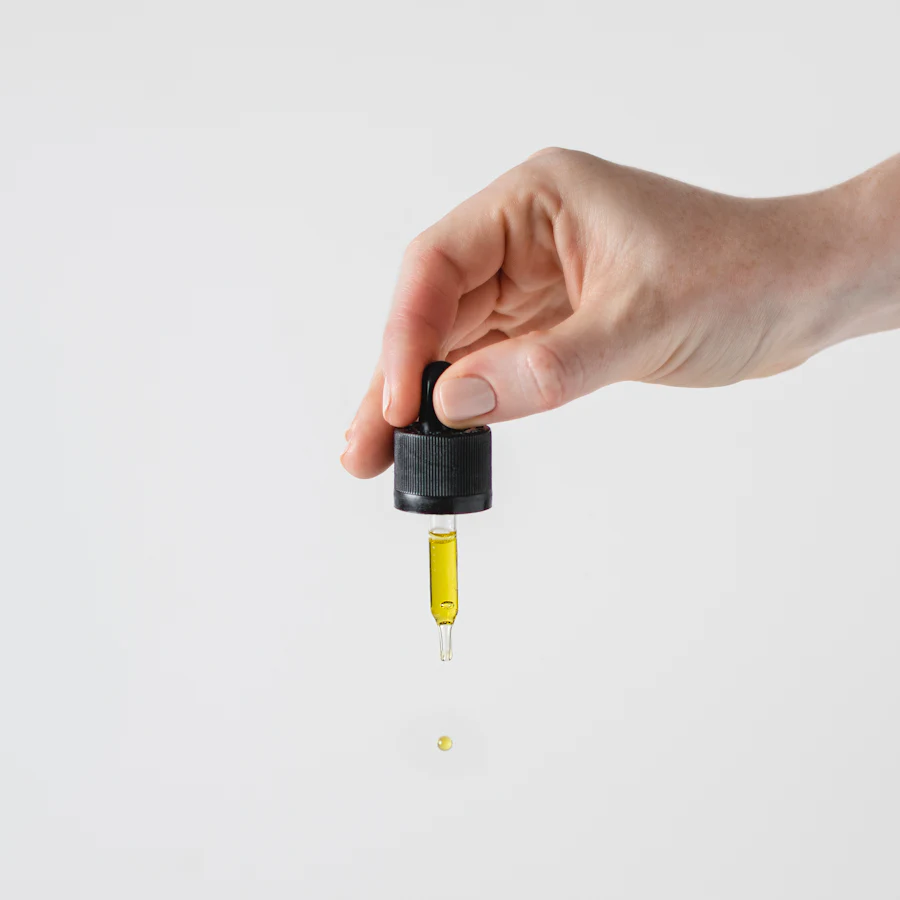
A drop of golden oil falling from a dropper

Squalane

A featherweight oil that feels like nothing on the skin.

Squalane is a stable, lightweight emollient that mimics part of the skin's own oils. It softens skin and reduces water loss without the heaviness of richer oils.

Good for
Dry patchesNormal to combination skinFrizzy hair ends
Found in
Facial oils, moisturisers, hair oils
How to use
A few drops pressed in after serum, or mixed into moisturiser. On hair, warm a drop between palms and smooth over ends.
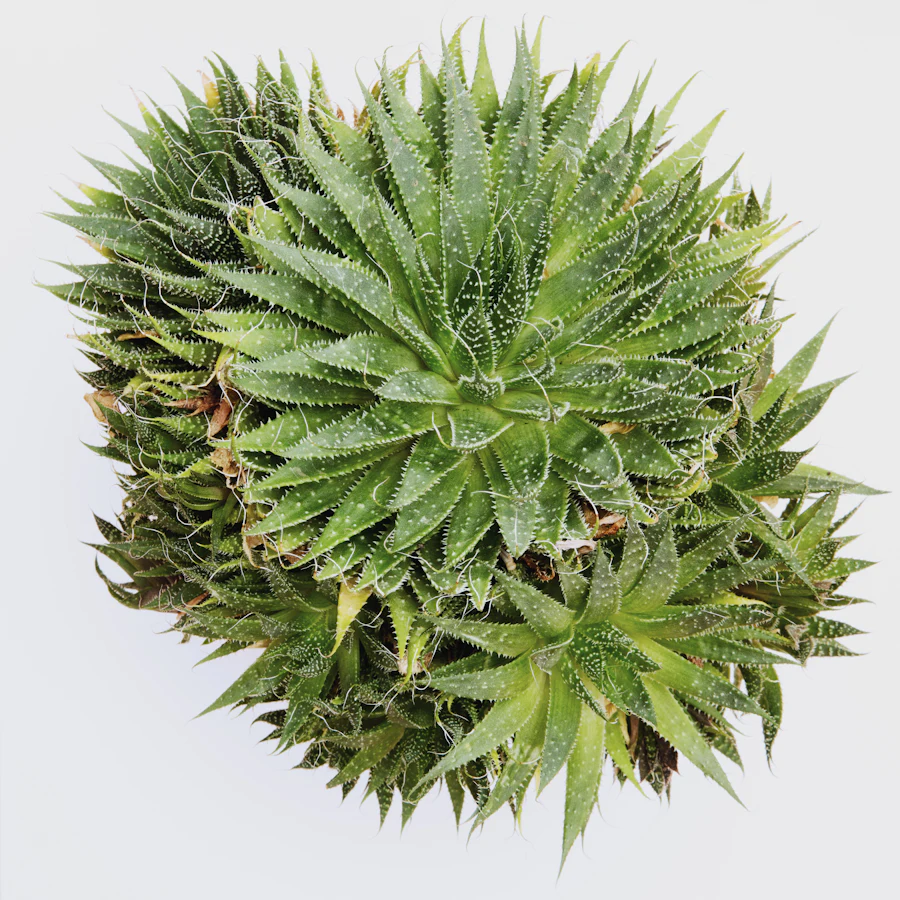
An aloe vera plant from above

Aloe vera

The cooling classic for skin that's caught too much sun.

Aloe vera gel is soothing and hydrating, which is why it's the base of so many after-sun products. It feels especially good straight from the fridge after a long day outdoors.

Good for
After sunHeat-stressed skinLight hydration for oily skin
Found in
After-sun gels, soothing gels, light moisturisers
How to use
Smooth onto clean skin. Store in the fridge for extra cooling.

Aloe soothes mild sun-related discomfort but doesn't replace sunscreen or medical care for serious burns.

Brighteners

Target dullness, dark spots and uneven tone.

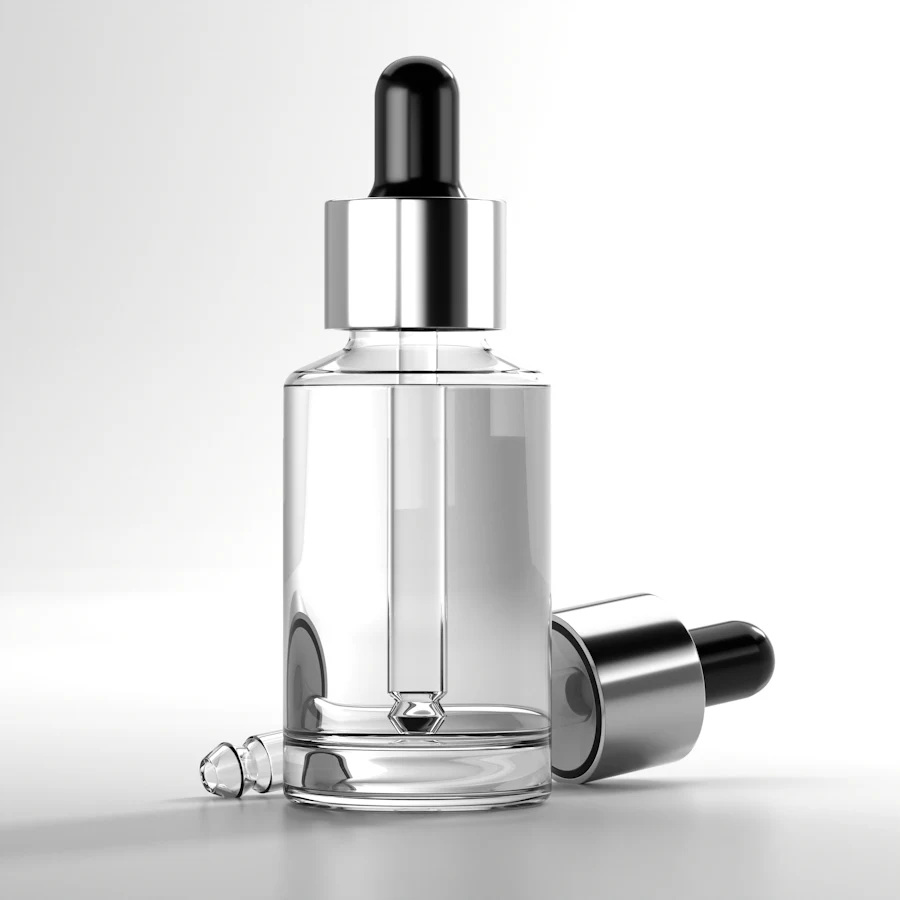
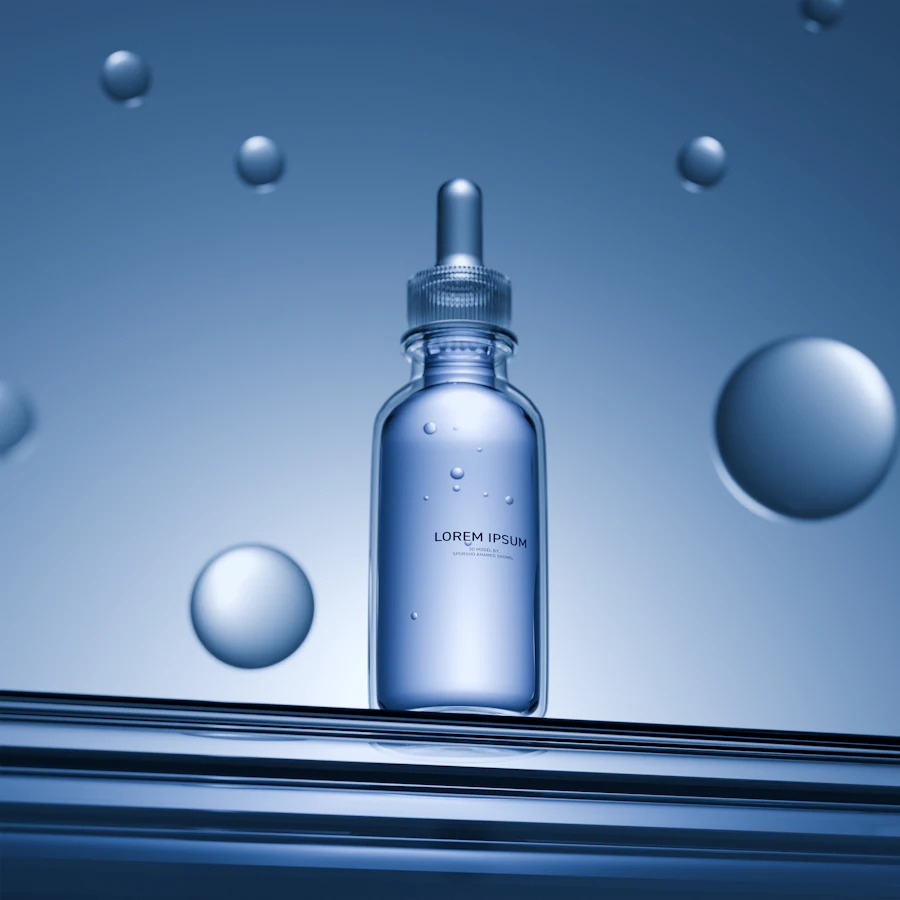
A clear glass serum bottle with a dropper

Niacinamide

Also called: Vitamin B3

The versatile all-rounder for oil, tone and texture.

Niacinamide is a form of vitamin B3. It's popular because it does several useful things at once: it helps regulate the look of oiliness, improves the appearance of uneven tone and enlarged pores, and supports the skin barrier.

Good for
Oily and combination skinUneven tone and post-acne marksLarge-looking pores
Found in
Serums, toners, moisturisers, sunscreens
How to use
After toner, before moisturiser, once or twice a day. Moderate strengths (around 2–5%) suit most people.

Very high concentrations can cause redness or flushing in some people. More isn't always better.

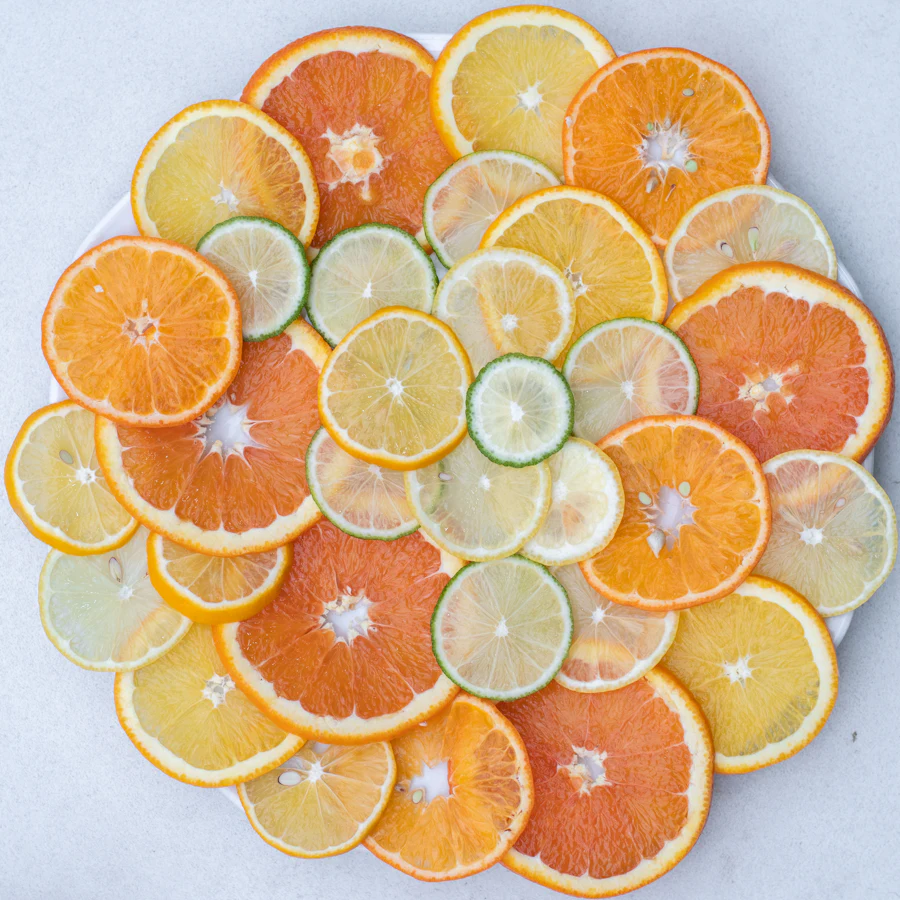
Slices of orange and lime

Vitamin C

Also called: Ascorbic acid and derivatives

An antioxidant for brightness — best in the morning, under sunscreen.

Vitamin C is an antioxidant that helps protect skin from environmental stress and improves the look of dullness and dark spots over time. Pure ascorbic acid is potent but unstable; gentler derivatives are easier to tolerate.

Good for
DullnessDark spots and uneven toneDaytime antioxidant support
Found in
Serums, ampoules, brightening creams
How to use
In the morning after cleansing, followed by moisturiser and sunscreen.

Pure vitamin C oxidises — if a clear serum turns dark orange or brown, it's past its best. Strong formulas can tingle; start every other day.

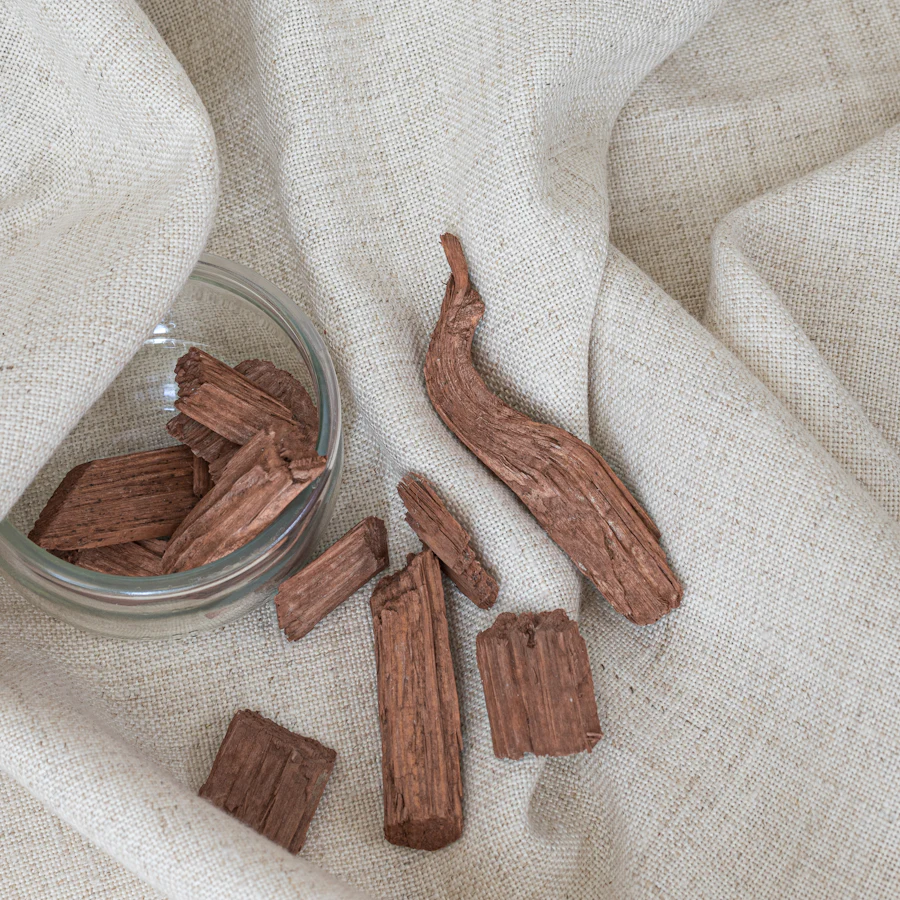
Pieces of dried licorice root

Licorice root

Also called: Glycyrrhiza glabra

A gentle botanical brightener that also calms.

Licorice root extract is used to even out the look of skin tone and to calm redness. It's a common choice in Korean and Japanese brightening products for sensitive skin.

Good for
Sensitive skin with uneven tonePost-acne marksRedness
Found in
Brightening serums, toners, essences
How to use
Morning and night in serums or toners.

Clarifiers & exfoliants

Clear pores and loosen dead skin cells for smoother, clearer skin.

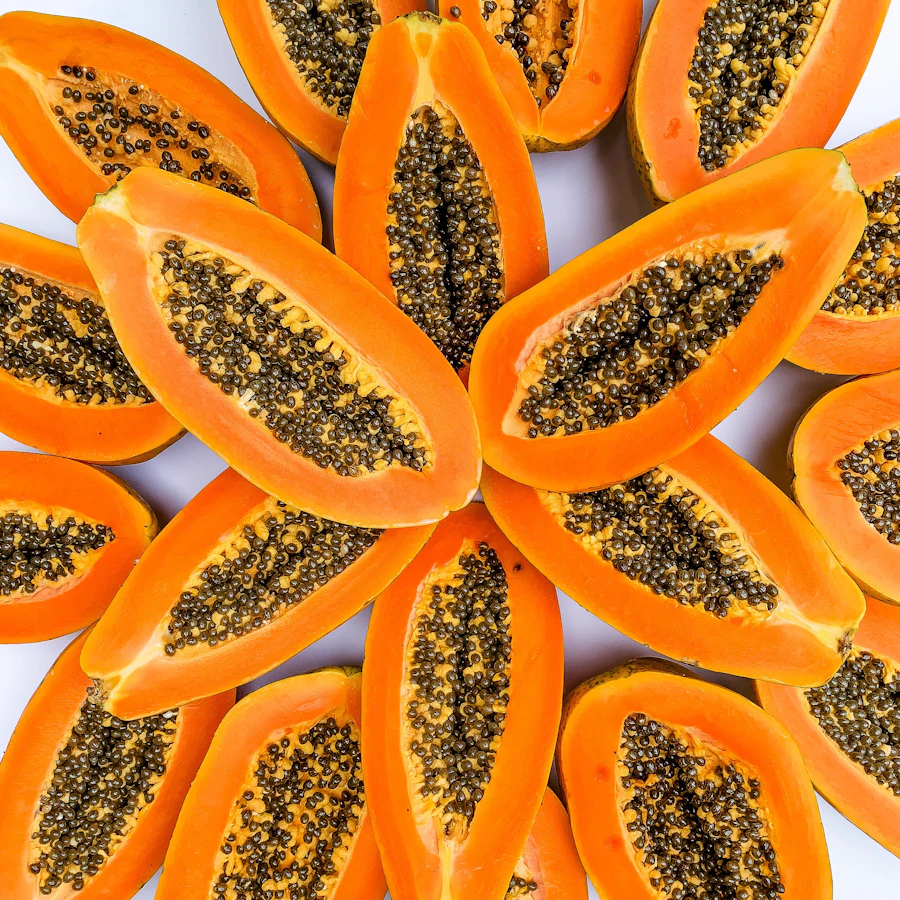
Halved papayas arranged in a circle

AHAs

Also called: Glycolic, lactic and mandelic acid

Water-soluble acids that smooth texture and boost glow.

Alpha hydroxy acids loosen the bonds between dead skin cells on the surface, leaving skin smoother and brighter. Glycolic is the strongest and fastest-acting; lactic and mandelic are gentler.

Good for
Rough textureDullnessUneven tone
Found in
Toners, exfoliating serums, wash-off peels, body lotions
How to use
Start two or three evenings a week. Don't combine with retinoids on the same night at first.

AHAs make skin more sensitive to the sun. Daily sunscreen is essential — especially in Thailand.

Close-up of tree bark

BHA (salicylic acid)

The oil-soluble exfoliant that gets into pores.

Salicylic acid can dissolve into oil, so it works inside pores as well as on the skin's surface. That makes it a go-to for blackheads, clogged pores and breakouts in oily skin.

Good for
Blackheads and clogged poresOily, acne-prone skinBumpy texture
Found in
Cleansers, toners, spot treatments, body washes
How to use
In a cleanser daily, or a leave-on toner/serum two to four times a week.

Can be drying. If you're pregnant or breastfeeding, check with your doctor about leave-on salicylic acid.

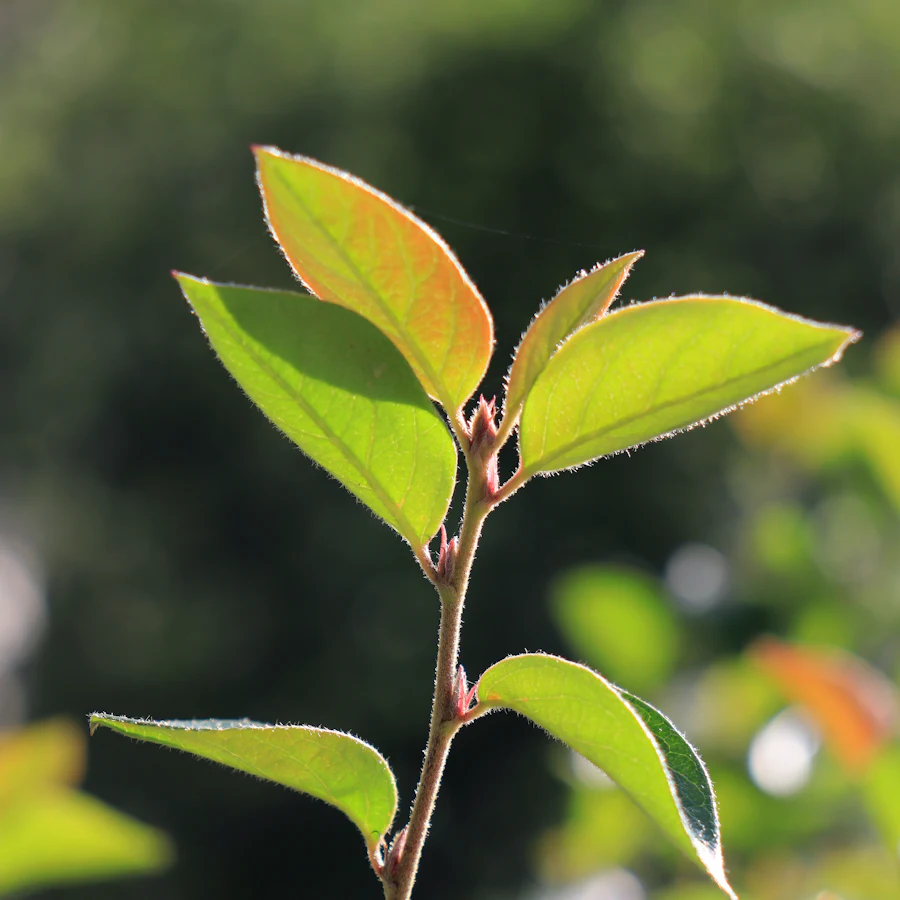
Young green leaves backlit by the sun

Tea tree

Also called: Melaleuca alternifolia

A traditional choice for blemish-prone skin.

Tea tree oil is widely used in products for blemish-prone skin and oily scalps, often alongside salicylic acid.

Good for
Occasional blemishesOily scalp
Found in
Spot treatments, cleansers, scalp shampoos
How to use
Use in finished products as directed — never apply undiluted essential oil to skin.

Can irritate sensitive skin. Patch-test first.

Renewal

Support firmer, smoother-looking skin over time.

A serum bottle surrounded by bubbles

Retinol & retinoids

Also called: Vitamin A derivatives

The most researched ingredient for fine lines and texture.

Retinoids speed up skin cell turnover and support collagen over time, which helps with fine lines, texture and some types of breakouts. Retinol is a gentler, over-the-counter form.

Good for
Fine linesRough textureEarly signs of sun-related ageing
Found in
Night serums and creams
How to use
At night, a pea-sized amount for the whole face, two or three nights a week at first. Increase slowly as your skin adjusts.

Expect some dryness at first. Always pair with daily sunscreen. Avoid during pregnancy and breastfeeding unless your doctor says otherwise.

Sun protection

Filters that help shield skin from UV.

White sea foam on sand

Zinc oxide & mineral filters

Gentle mineral UV filters — often suited to sensitive skin.

Zinc oxide and titanium dioxide are mineral UV filters. Zinc oxide offers broad protection across UVA and UVB and tends to be well tolerated by sensitive skin.

Good for
Sensitive skinChildren's sunscreensAnyone who finds chemical filters sting their eyes
Found in
Mineral and hybrid sunscreens, cushion compacts
How to use
As your sunscreen, generously, as the last morning step. Reapply when outdoors.

Some mineral sunscreens leave a white cast, especially on deeper skin tones. Tinted versions help.

Korean & Japanese favourites

Signature ingredients of Asian skincare.

Glossy, stretchy gel texture

Snail mucin

Also called: Snail secretion filtrate

A Korean-skincare classic for bouncy, hydrated skin.

Snail secretion filtrate is a slippery, gel-like ingredient that contains naturally occurring hydrators. It's loved in Korean skincare for leaving skin dewy and comfortable, and is often used in essences.

Good for
Dehydrated skinDull skinPost-sun comfort
Found in
Essences, serums, creams, sheet masks
How to use
Use as an essence or serum after toner. Its texture layers easily under a moisturiser.

Not suitable if you avoid animal-derived ingredients. As with anything new, patch-test first.

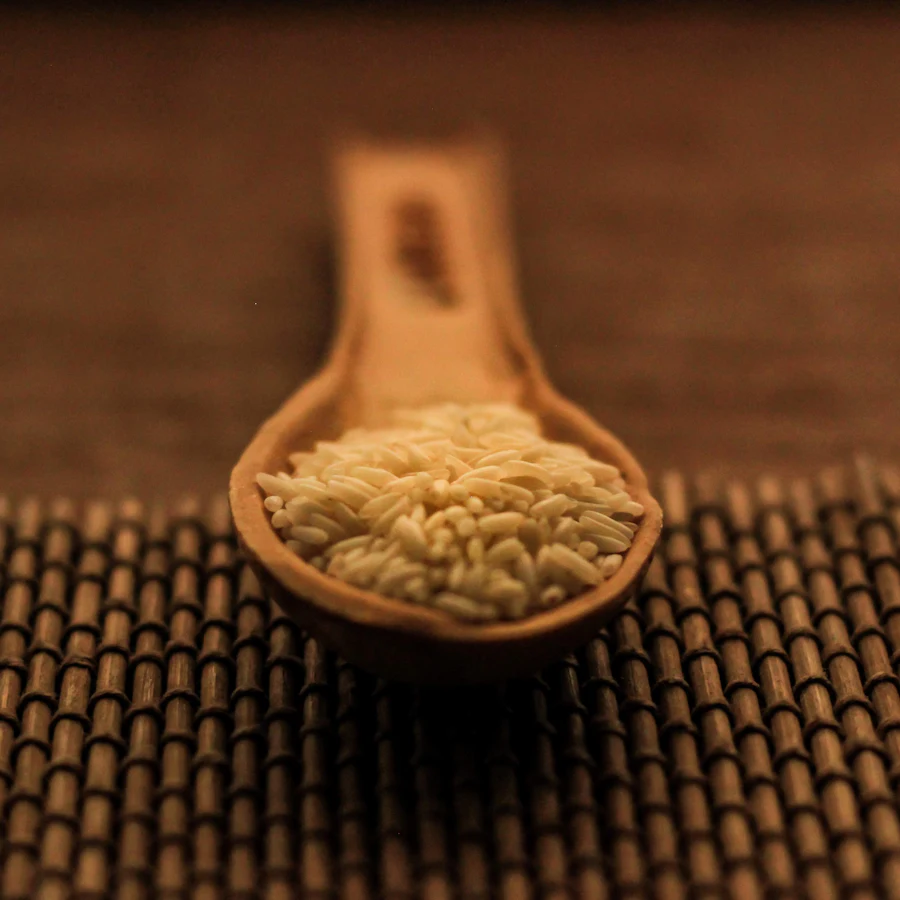
Uncooked rice on a wooden spoon

Rice extract & rice ferment

Also called: Oryza sativa

Japan's and Korea's beloved ingredient for soft, luminous skin.

Rice has a long history in East Asian beauty — rice-water rinses are a traditional ritual. In modern skincare, rice extracts and ferments are used for hydration and a softer, more even-looking complexion.

Good for
DullnessDry or dehydrated skinSensitive skin wanting a gentle option
Found in
Toners, cleansing foams, creams, masks
How to use
Usually found in toners, cleansers and creams — use as directed, morning and night.
Honeybees on golden honeycomb

Propolis

A honey-like ingredient for glow and comfort.

Propolis is a resin-like substance collected by bees. Korean skincare uses propolis extract for a healthy-looking glow and for comforting skin that's prone to the odd blemish.

Good for
Dull skinCombination skin with occasional blemishes
Found in
Ampoules, serums, toners
How to use
Morning and night as a serum or ampoule.

Avoid if you're allergic to bee products. Patch-test first.

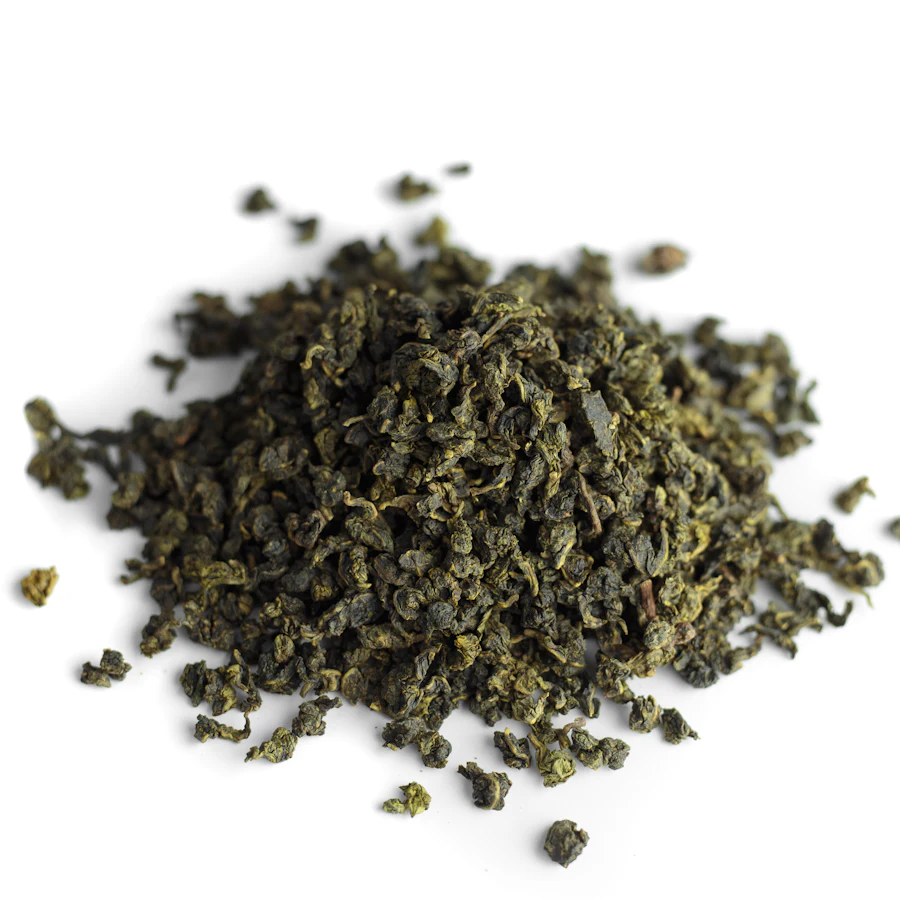
Loose green tea leaves

Green tea

Also called: Camellia sinensis

An antioxidant favourite for oily, stressed skin.

Green tea is rich in antioxidant polyphenols. In skincare it's used to calm and refresh skin and is often found in products for oily and combination skin.

Good for
Oily skinSkin stressed by heat and pollution
Found in
Toners, serums, gel-creams, cleansers
How to use
In toners, serums and creams, morning and night.
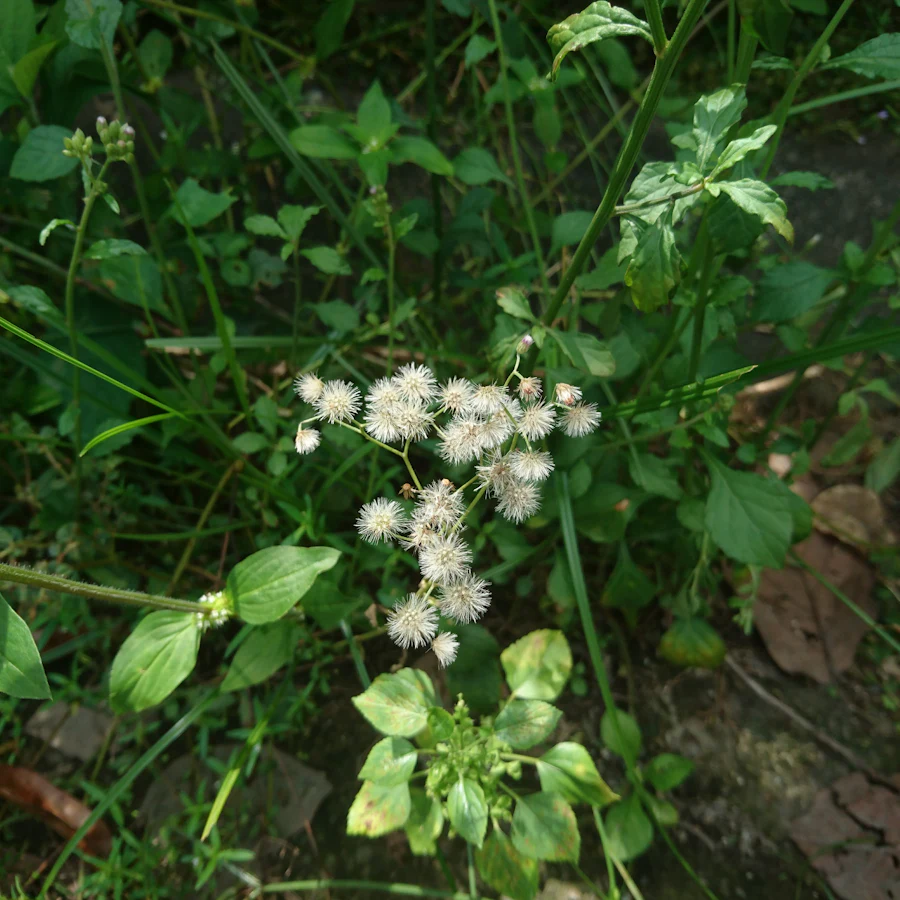
Mugwort growing wild

Mugwort

Also called: Artemisia

A traditional Korean herb for calm, comfortable skin.

Mugwort has a long history in Korean traditional remedies. In skincare it's used to soothe and comfort sensitive or irritated skin.

Good for
Sensitive skinRednessSkin recovering from irritation
Found in
Essences, toners, wash-off masks
How to use
As an essence, toner or mask.

Thai botanicals

Plants with a long history in Thai beauty.

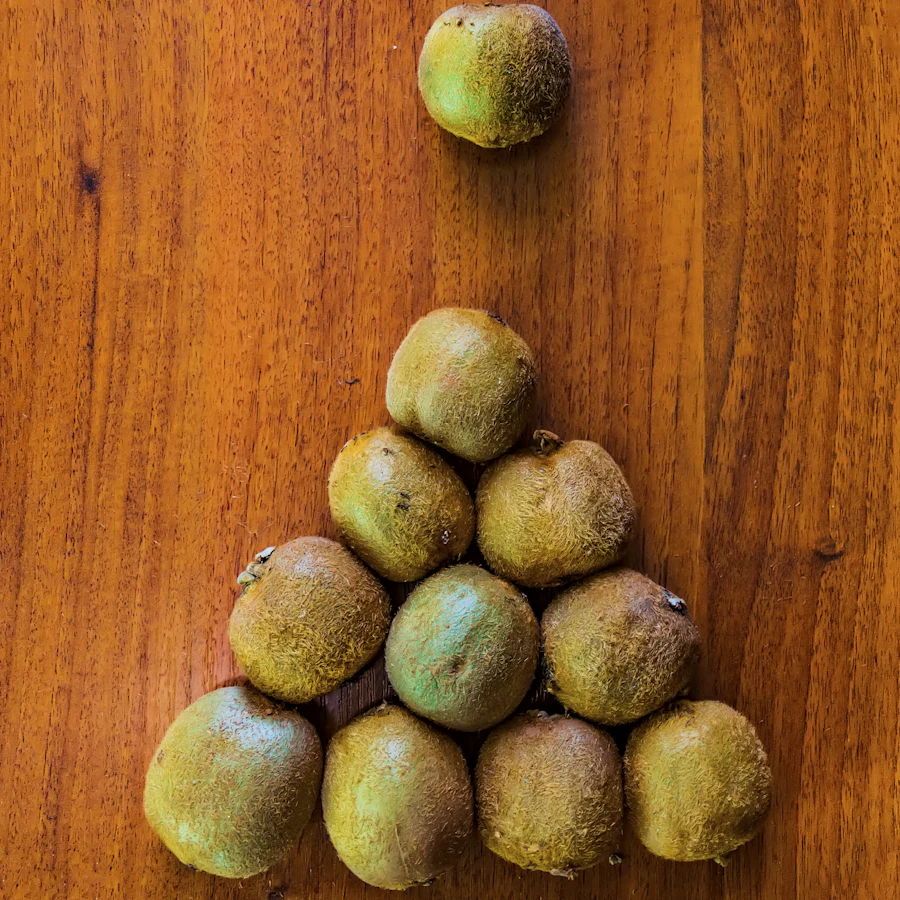
Tamarind pods on a wooden table

Tamarind

Also called: Makham

A Thai kitchen staple and a classic body-scrub ingredient.

Tamarind pulp naturally contains fruit acids, which is why it has long been used in Thai scrubs and masks for smoother, brighter-looking skin.

Good for
Rough skin on the bodyDull skin
Found in
Thai body scrubs, soaps, masks
How to use
In body scrubs once or twice a week, rinsed off well.

Fruit acids can sting broken or sunburned skin. Use sunscreen after exfoliating.

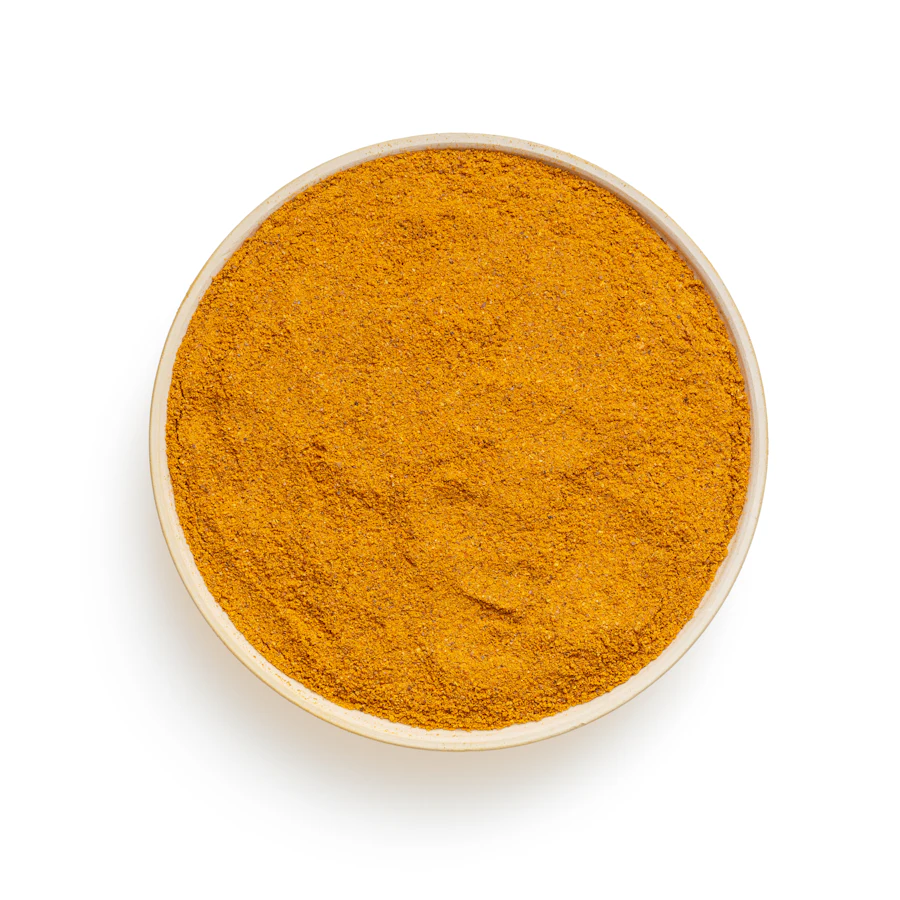
A bowl of ground turmeric

Turmeric

Also called: Khamin chan

The golden root of Thai and South Asian beauty rituals.

Turmeric has been part of beauty rituals across Southeast and South Asia for centuries. Its main compound, curcumin, is an antioxidant, and turmeric is traditionally used for a healthy-looking glow.

Good for
Dull skinBody scrubs and soaps
Found in
Thai soaps, scrubs, masks
How to use
In wash-off products and scrubs, rinsed thoroughly.

Turmeric can temporarily stain skin, nails and towels yellow.

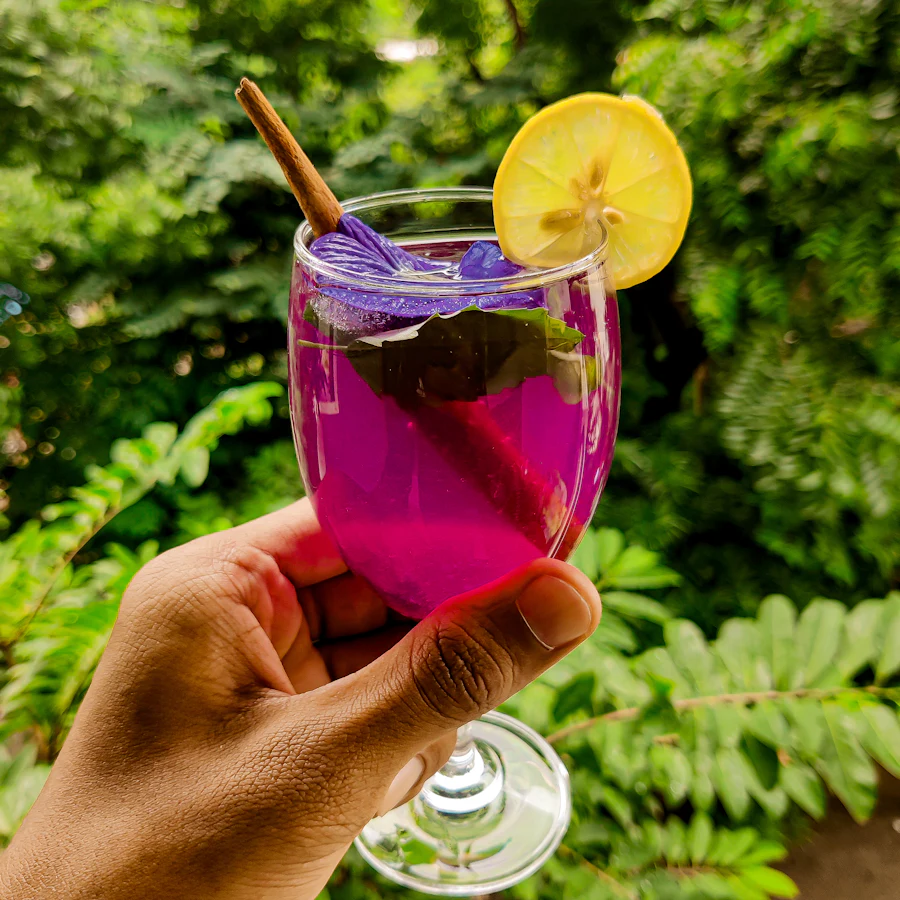
A glass of butterfly pea tea turning purple with lemon

Butterfly pea flower

Also called: Anchan

The vivid blue flower of Thai hair care.

Butterfly pea (dok anchan) is a Thai garden flower rich in blue anthocyanin pigments. It's traditionally used in Thai hair rinses and remains a favourite in herbal shampoos and conditioners.

Good for
Thai herbal hair careAntioxidant-rich botanical blends
Found in
Herbal shampoos, conditioners, hair tonics
How to use
In shampoos and hair rinses, as directed on the pack.
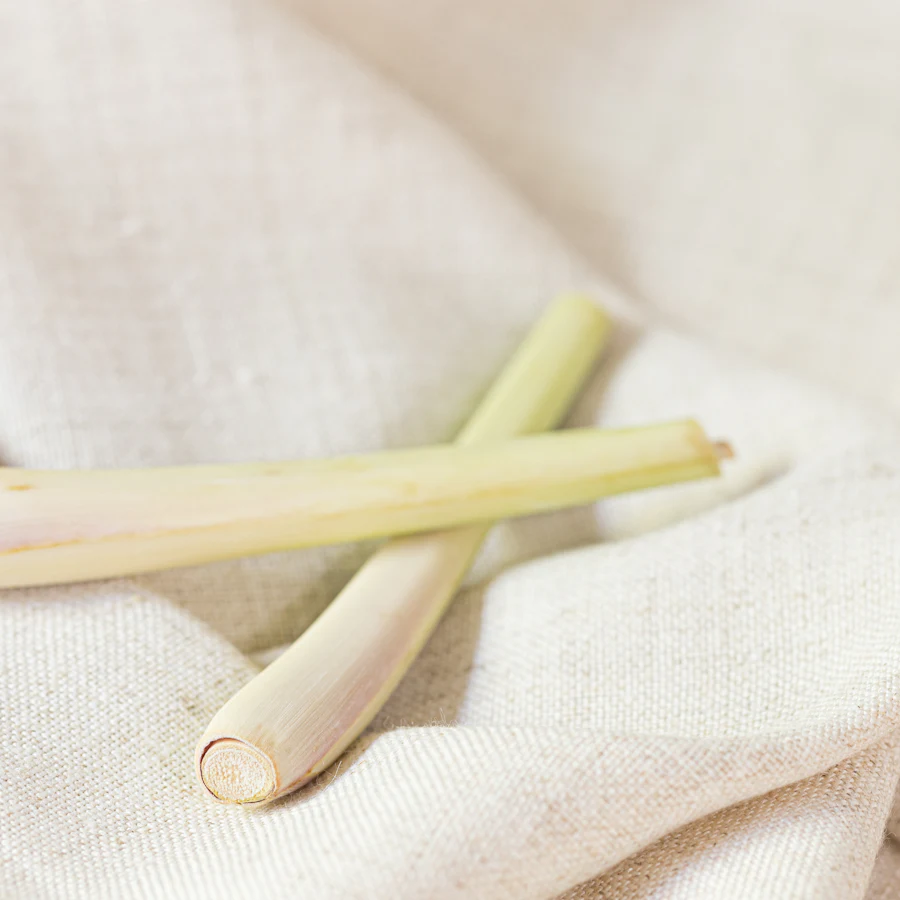
Stalks of lemongrass on linen

Lemongrass

Also called: Takrai

The fresh, zesty scent of a Thai spa.

Lemongrass is used in Thai body care mostly for its bright, refreshing scent. It's a signature note in Thai spa products, scrubs, soaps and home fragrance.

Good for
Body care and bath productsHome fragrance
Found in
Scrubs, soaps, body washes, room sprays
How to use
In wash-off products, body care and scents.

Fragrant essential oils can irritate sensitive skin — patch-test and avoid around the eyes.

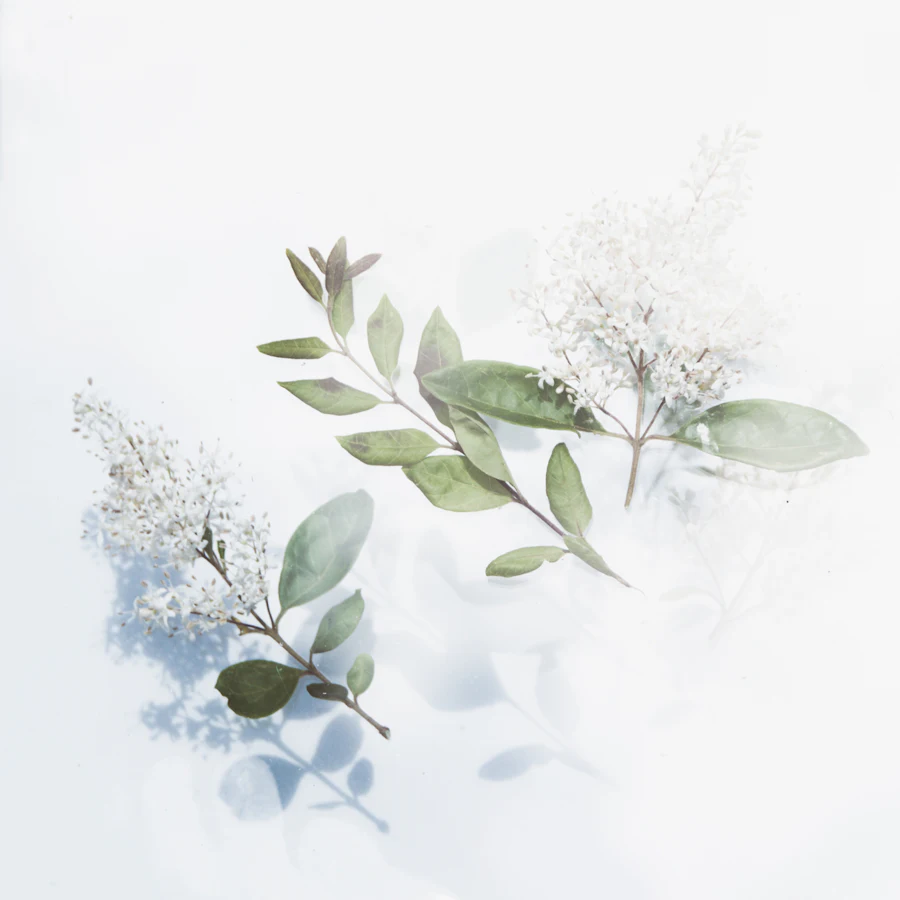
Small white flowers and leaves

Jasmine

Also called: Mali

Thailand's best-loved flower, mostly there for the scent.

Jasmine (dok mali) is deeply woven into Thai culture — from garlands to Mother's Day. In beauty products it's used mainly for its soft, sweet scent.

Good for
Fragrance and home scentsBody mists and lotions
Found in
Body mists, perfumes, lotions, room sprays
How to use
In fragrances, mists and body care.

As with any fragrance, sensitive skin may prefer to keep jasmine away from the face.

General information, not medical advice. Patch-test new products, and see a doctor or dermatologist about persistent skin problems or before using actives during pregnancy.

Smears of cream and gel textures side by side

Not sure which ingredient you need?

Message us with your skin type and what you're looking for. We'll tell you what's on the shelf this weekend and help you choose — then pick up at Chatuchak Weekend Market.

Sat–Sun, 9:00 AM – 6:00 PM