Key takeaways
- Check packaging, printing, seals and batch codes carefully.
- Cosmetics sold legally in Thailand should carry a Thai-language label with importer details and a notification number.
- Prices that seem far too low are a warning sign.
- Heat damages skincare — ask how products are stored.
Counterfeit cosmetics are a problem worldwide — on big online marketplaces as much as anywhere else. Fakes can contain the wrong ingredients, contaminants, or simply nothing that works. And even genuine products can be spoiled if they're old or stored badly in the heat.
You don't need to be an expert to protect yourself. A few habits will catch most problems before you buy.
1. Look closely at the packaging
- Printing quality. Blurry text, uneven colours, spelling mistakes or fonts that look slightly 'off' are red flags.
- Seals. Is the box or bottle sealed? Is the seal intact and neat?
- Consistency. The batch code on the box should match the one on the product itself.
- Weight and finish. If you know the product well, fakes often feel lighter or cheaper.
2. Check the Thai label
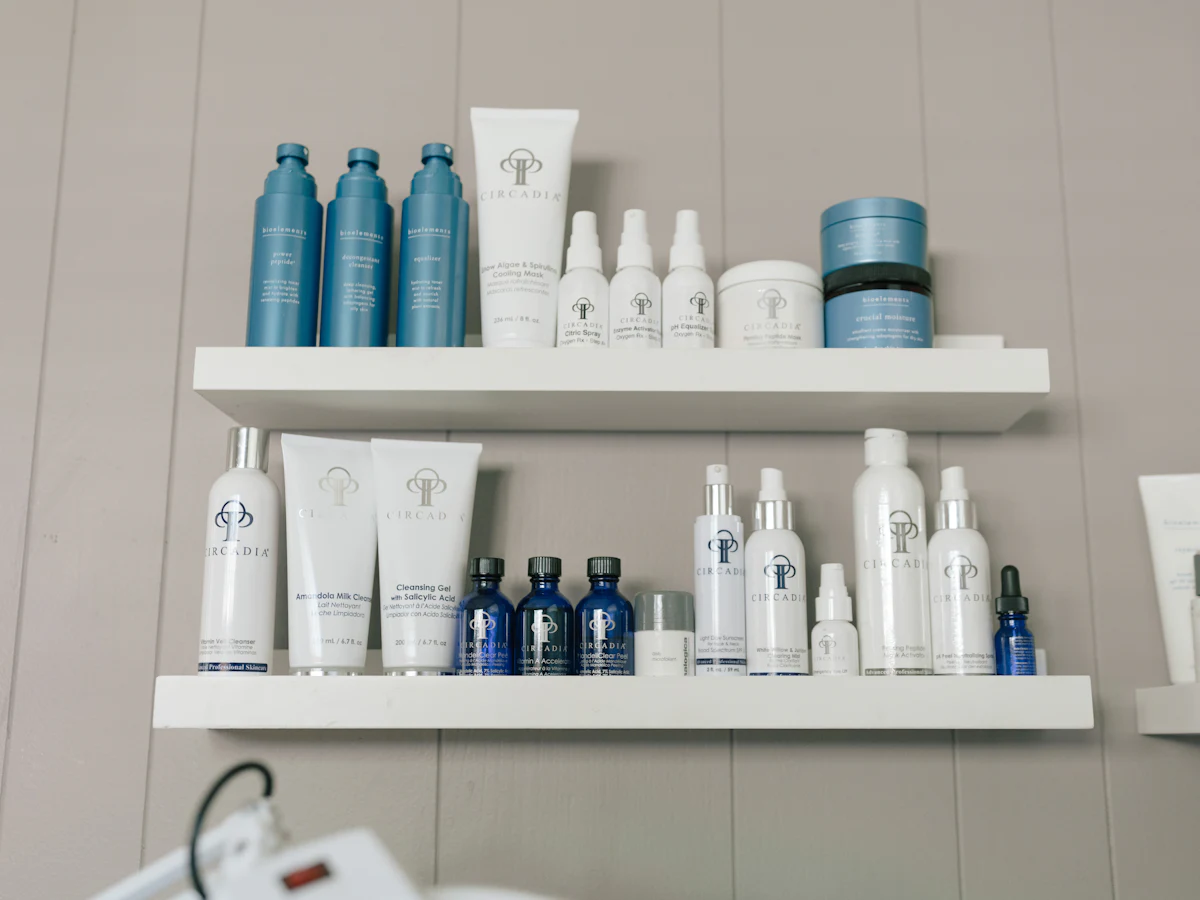
Cosmetics sold through official channels in Thailand are required to carry a Thai-language label. Look for the name and address of the manufacturer or importer in Thailand, and a cosmetic notification number from the Thai Food and Drug Administration (often called 'Or Yor', อย.). Imported products usually have this as a sticker on the box or bottle.
3. Read the dates
- Expiry date (EXP) or manufacturing date (MFG) — at least one should be clear.
- Period after opening (PAO) — the little open-jar symbol with a number like '12M' tells you how long it lasts once opened.
- Unopened products generally last around three years from manufacture unless the label says otherwise — but sunscreens and vitamin C often have shorter dates.
4. Check the product itself
- Smell. A rancid, sour or unusual smell is a sign of spoilage.
- Separation. Creams that have split into oily and watery layers may have been stored too hot.
- Colour. Vitamin C serums that have turned dark orange or brown have oxidised.
- Texture. Lumpy, grainy or unusually runny textures suggest something is wrong.
5. Be wary of prices that seem too good
Discounts happen, but if a premium product is selling for a small fraction of its usual price, ask why. Very cheap 'brand-name' products are one of the most common signs of counterfeits.
6. Ask about storage
Heat and direct sun break down sunscreens, vitamin C, retinoids and many emulsions. In a hot climate, it's reasonable to ask a seller how products are stored — out of direct sun and away from heat — before you buy.
7. Patch-test anything new
Even with genuine products, test something new on a small area before using it all over your face — especially if your skin is sensitive.
Your quick checklist
- 1
Sealed and neat
Intact seal, clean printing, matching batch codes.
- 2
Thai label
Importer or manufacturer details and a notification number.
- 3
In date
Clear expiry or manufacture date, sensible PAO.
- 4
Normal smell, colour and texture
Nothing separated, discoloured or rancid.
- 5
Realistic price
Too good to be true usually is.
- 6
Seller answers questions
A good seller is happy to explain where products come from and how they're stored.
If you're ever unsure about something you've bought — from us or elsewhere — bring it to the stall or message us a photo of the label. We're happy to talk you through what the label says.
Shop this guide
This guide is general information, not medical advice. Patch-test new products, and see a doctor or dermatologist about persistent skin problems.