Key takeaways
- Both put hydration, gentle cleansing and sun protection first.
- K-beauty is about layering, innovation and calming ingredients.
- J-beauty is about fewer, refined steps and outstanding sunscreens.
- Mixing the two is completely normal — and often ideal in Bangkok.
Walk into any beauty shop in Bangkok and you'll find Korean and Japanese skincare side by side. They look similar — pretty packaging, watery textures, an obsession with sunscreen — and they share a lot. But they come from different philosophies, and knowing the difference makes it much easier to choose.
Both put prevention, hydration and sun protection first. The differences are more about approach than results — and plenty of our customers happily mix the two.
Korean skincare (K-beauty) in a nutshell

- Innovation and trends. Korean brands move fast — cushion compacts, sheet masks, pimple patches and essence-like sunscreens all went global from Korea.
- Layering lightweight hydration. Toners, essences, ampoules and serums are applied in thin layers rather than one heavy cream.
- Calming ingredients. Centella asiatica, mugwort, panthenol and snail mucin are staples.
- The 'glass skin' ideal. Clear, hydrated, luminous skin is the goal, rather than a matte finish.
Japanese skincare (J-beauty) in a nutshell
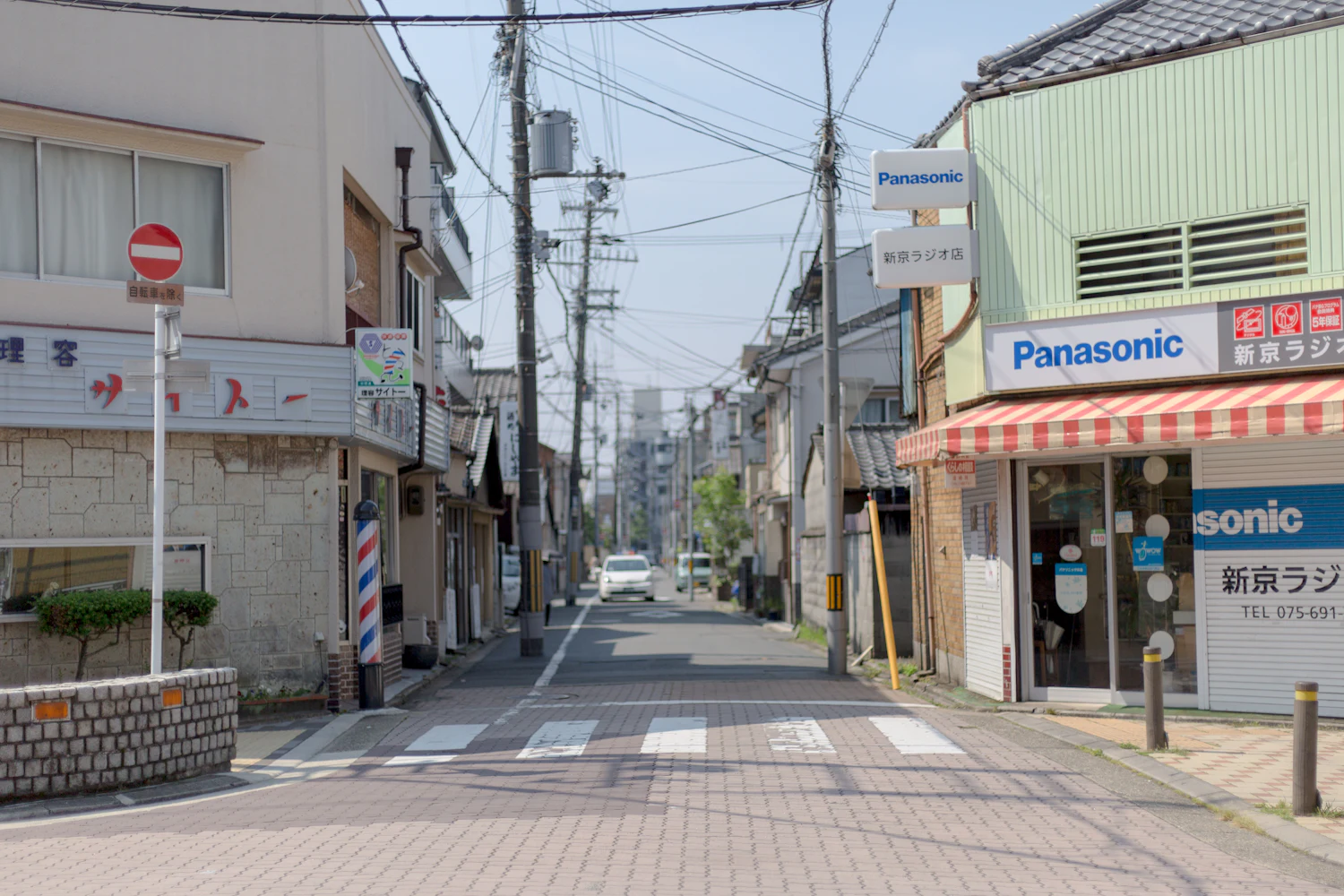
- Refinement over novelty. Many formulas are improved quietly over decades rather than replaced every season.
- Fewer, well-chosen steps. Cleanse, 'lotion' (a hydrating toner), emulsion or cream, sunscreen.
- Outstanding sunscreens. Light, watery textures with high UVA (PA) protection that people genuinely enjoy wearing.
- Gentle double cleansing. The cleansing oil is a long-time Japanese favourite.
- Ingredients from tradition. Rice, green tea, camellia oil and fermented ingredients appear often.
Side by side
| Korean (K-beauty) | Japanese (J-beauty) | |
|---|---|---|
| Philosophy | Experiment, layer, innovate | Refine, simplify, protect |
| Typical routine | 5–7 lighter layers | 3–5 steps |
| Signature step | Essence / ampoule | Lotion + sunscreen |
| Known for | Cica, sheet masks, cushions | Sunscreens, cleansing oils, mascaras |
| Texture style | Watery, bouncy, dewy | Silky, light, refined |
| Best for | Dehydration, redness, people who like a ritual | Minimalists, sun protection, oily skin |
Which suits Bangkok better?
Honestly, both. Korean skincare's lightweight hydration is perfect for skin that's oily on the surface but dehydrated from air-con. Japanese skincare's sunscreens and gentle cleansing are ideal for the strong sun and daily sunscreen removal. In our experience at the stall, the most effective Bangkok routines often borrow from both.
A mixed routine we often suggest
- 1
Japanese cleansing oil
In the evening, to melt sunscreen and makeup.
- 2
Korean low-pH foam
A gentle second cleanse.
- 3
Korean hydrating toner
Patted in, two layers if you're in air-con.
- 4
Korean centella or niacinamide serum
For calm or for shine and tone.
- 5
A light gel-cream
From either — texture matters more than origin.
- 6
Japanese sunscreen
Every morning, generously.
“You don't have to pick a side. A Japanese sunscreen and a Korean essence get along just fine.”
So which should you choose?
If you enjoy trying new things and like a layered ritual, start with K-beauty. If you want a minimal routine and the best possible daily sunscreen, J-beauty is a great fit. Most people end up with a bit of both — and that's exactly how we stock the stall.
Explore our Korean beauty and Japanese beauty collections, and don't forget Thai beauty — Thailand's own herbal traditions are worth discovering while you're here.
Shop this guide
This guide is general information, not medical advice. Patch-test new products, and see a doctor or dermatologist about persistent skin problems.