Key takeaways
- UV is high in Thailand all year, including on cloudy and rainy days.
- SPF is mainly about UVB (burning); PA ratings tell you about UVA (pigmentation and ageing).
- Most people use too little — aim for two finger-lengths for face and neck.
- Texture is what makes you reapply, so choose one you enjoy.
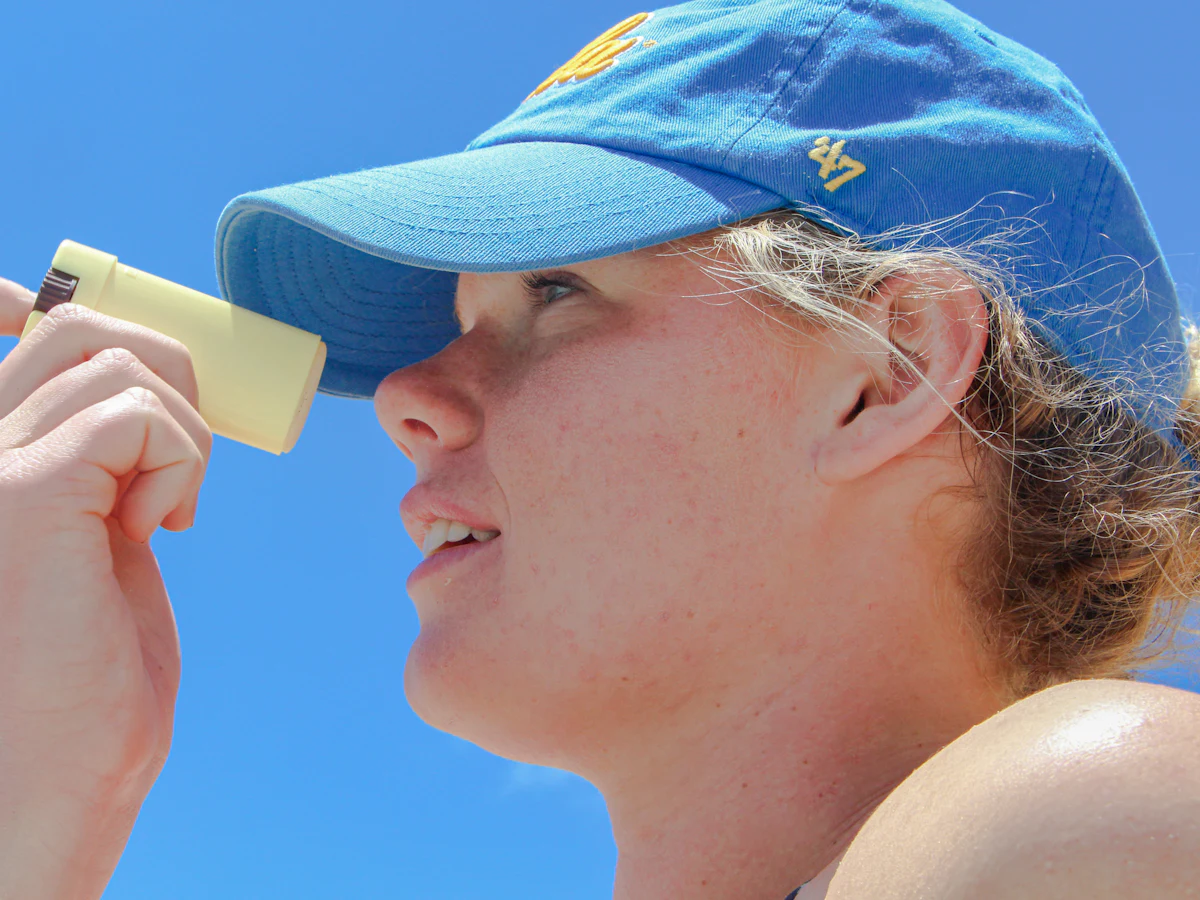
Thailand sits well inside the tropics, so UV levels are high year-round. Around the middle of the day the UV index in Bangkok regularly reaches the 'very high' or 'extreme' range — and that's true in the rainy season too, because cloud cover blocks much less UV than people expect.
So the question isn't whether to wear sunscreen here, it's which one you'll put on generously every morning and actually reapply. That's why texture matters as much as the numbers.
Reading the label: SPF, PA and broad spectrum
- SPF measures protection mainly against UVB — the rays that cause sunburn. For daily life in the tropics, SPF 50 is a sensible default because it gives you some margin for under-application.
- PA ratings (PA+ to PA++++) are common on Japanese and Korean sunscreens and indicate protection against UVA — the rays linked to pigmentation and skin ageing. More plus signs means more UVA protection.
- Broad spectrum on Western labels means the product has been tested to protect against both UVA and UVB.
- Water resistant means it holds up for a stated time (often 40 or 80 minutes) of swimming or sweating — not all day.
| Rating | UVA protection | Good for |
|---|---|---|
| PA+ | Some | Very short, incidental exposure |
| PA++ | Moderate | Indoor days near windows |
| PA+++ | High | Everyday city life |
| PA++++ | Extremely high | Long days outdoors, pigmentation concerns, beaches |
Chemical, mineral or hybrid?
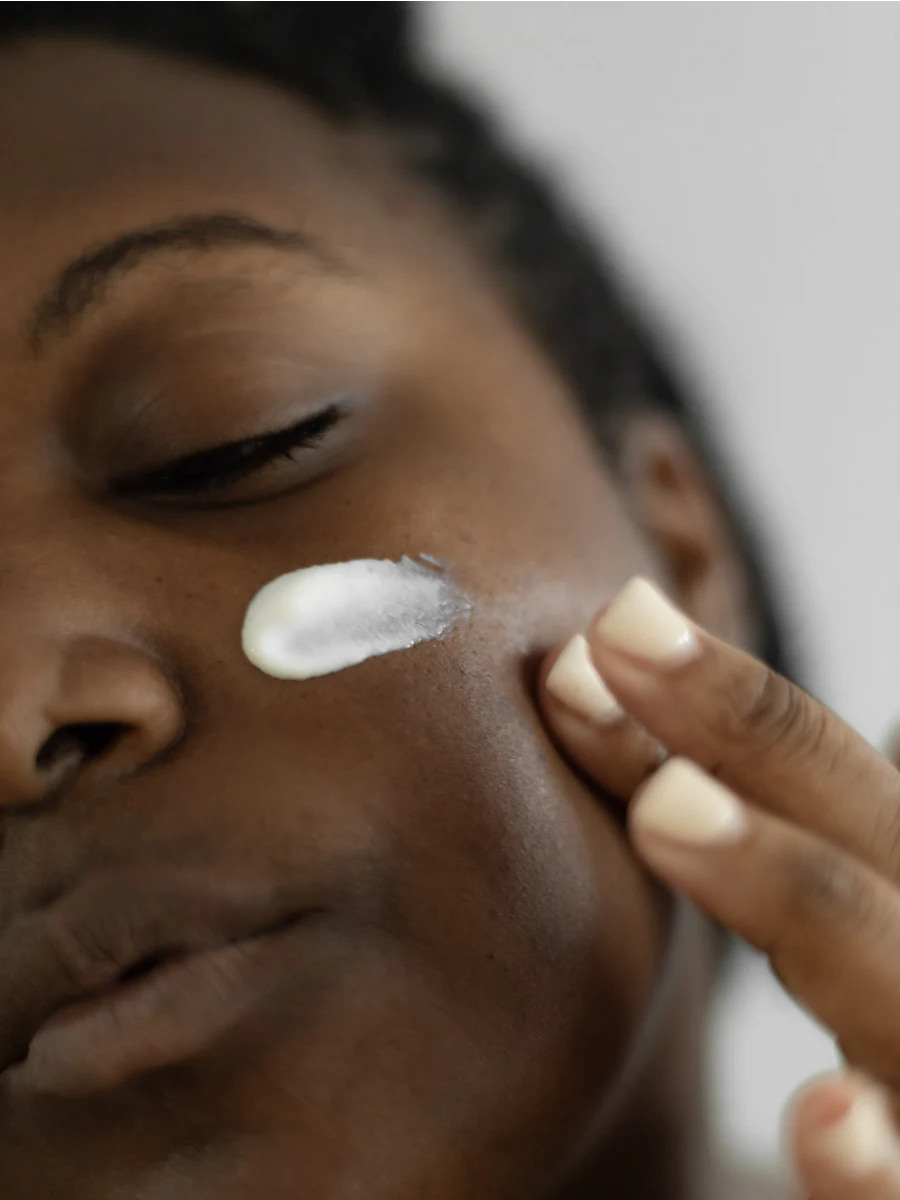
Chemical (organic) filters absorb UV and tend to give the lightest, most invisible textures — this is where many Japanese and Korean sunscreens shine. Mineral filters — zinc oxide and titanium dioxide — sit on the skin and are often better tolerated by sensitive skin and around the eyes, but can leave a white cast. Hybrids mix the two.
There's no single 'best' type. If a sunscreen stings your eyes when you sweat, try a mineral or hybrid formula. If you hate any trace of white cast, a modern chemical or tinted mineral formula will probably suit you better.
Pick a texture for your skin
- Oily or combination skin: gels, fluid milks and watery 'essence' sunscreens that dry down matte or natural.
- Dry skin: creamier formulas that double as a light moisturiser.
- Sensitive skin: fragrance-free formulas, often mineral or hybrid. Patch-test first.
- Deeper skin tones: clear gels, chemical filters or tinted mineral formulas avoid a grey cast.
- Under makeup: fluids and milks that set within a few minutes and don't pill.
How much sunscreen to use
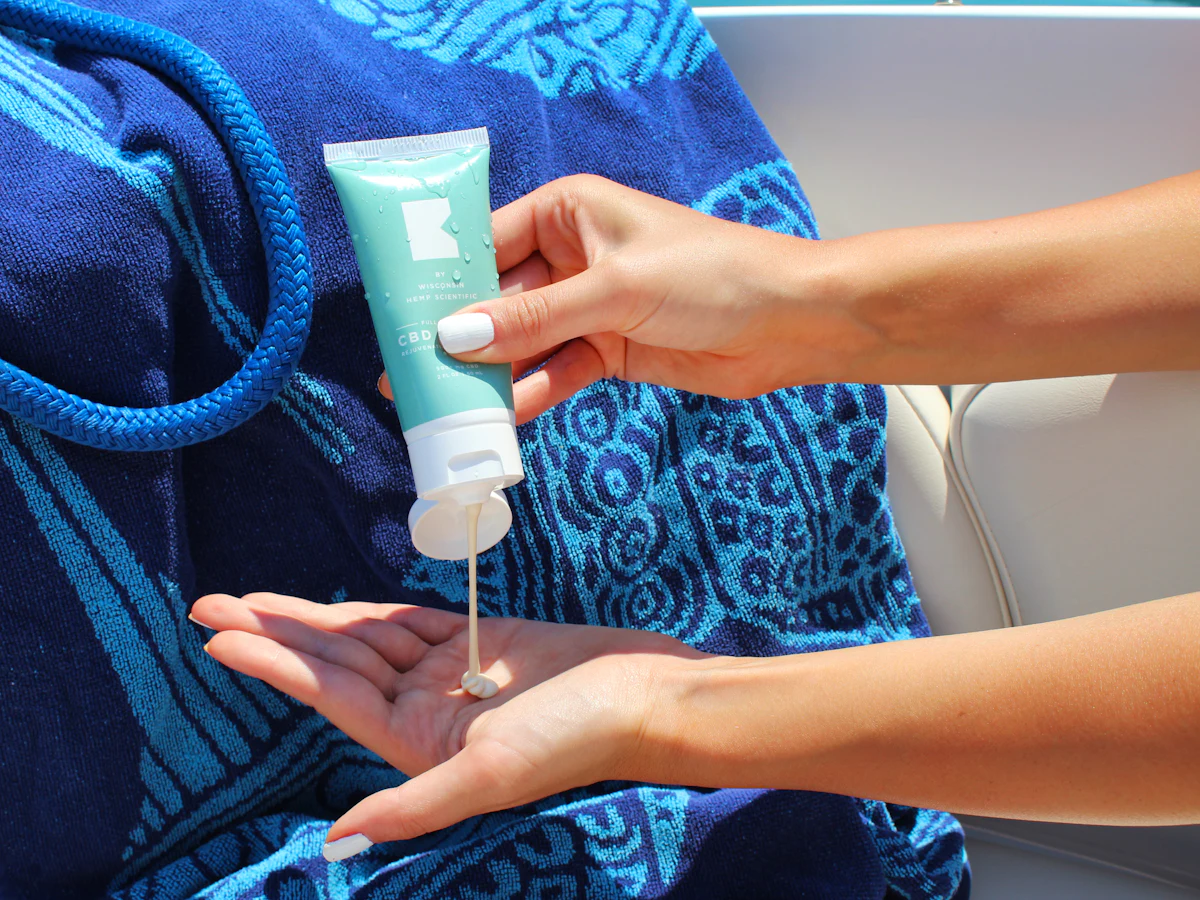
Sunscreen is tested at a thick layer — around 2 mg per square centimetre of skin. Most people apply a quarter to half of that, which means far less protection than the label promises.
Don't forget the places people miss: the ears, the back of the neck, the hairline, the eyelids and the tops of your hands and feet if you're out in sandals at the market.
Reapplying — including over makeup
Sunscreen breaks down with sun, sweat and touching your face. If you're outdoors — a day at Chatuchak, a boat trip, a beach — reapply roughly every two hours and after swimming or heavy sweating. If you're in an office all day, your morning application does most of the work, but reapply before heading out at lunchtime or after work if it's still bright.
- 1
Blot first
Press a blotting paper over shiny areas so the new layer doesn't slide.
- 2
Choose an easy format
Sunscreen sticks, cushion compacts with SPF or sprays held at arm's length all work over makeup.
- 3
Pat, don't rub
Press the product in so your base stays put.
Body sunscreen matters too
Shoulders, arms and the backs of legs burn fast at the market or on an island trip. A body sunscreen in a bigger bottle or spray makes it easier to be generous. See our body care edit for options.
Our honest shortcuts
- If you only buy one skincare product in Thailand, make it a sunscreen you love.
- SPF in foundation is a bonus, not a replacement.
- A sunscreen that's 'too nice to waste' is a problem — buy one you'll use up.
- Sun protection is a team: sunscreen, shade, a hat and sunglasses.
Want help choosing? Tell us your skin type, whether you wear makeup and how much time you spend outdoors, and we'll suggest two or three textures to try at the stall. For more, see our page on sun protection in Thailand.
Shop this guide
This guide is general information, not medical advice. Patch-test new products, and see a doctor or dermatologist about persistent skin problems.